The big day has arrived! For most learners, the driving test feels like a high-stakes performance, but it’s actually a very structured, predictable process. Knowing exactly what to expect can turn those "stomach butterflies" into focused energy.
Here is the step-by-step breakdown of what happens on driving test day.
1. The Pre-Test Warm-Up
The instructor will pick you up about an hour before your slot. This isn't a full lesson; it’s a "warm-up" to get your feet used to the pedals and your eyes used to the road.
- Pro Tip: Use this time to ask any last-minute questions about "Show Me, Tell Me" questions.
2. Arrival at the Test Centre
You’ll aim to arrive about 10 minutes early and reverse park into a vacant candidate bay. ( Don’t drive in as it’s awkward getting out) Arrive only 10 minutes before your test is due to start, as you might get in the way of learners finishing the previous slot.
- Check-in: You’ll head into the waiting room. Your examiner will come out, exactly on time, call your name, and ask to see your provisional license.
- The Signature: You’ll sign a declaration on their tablet confirming your residency and insurance status.
- The examiner will ask you if you want your accompanying driver to come with you on test ( Their role is purely observation, no help, no prompts, just an observer)
3. The Eyesight Test
Before you even touch the car, the examiner will lead you to the car park for an eyesight check.
- The Task: You must read a parked vehicle's number plate from a distance of 20 metres.
- Warning: If you can’t read it (after a couple of attempts), the examiner will measure precisely the distance and give you one final opportunity if you fail to read it correctly this time the test ends right there and you will lose your fee..All good instructors will have checked your eye sight on the first meeting and again when carrying out mock tests to get you used to the process.If you need glasses to read it, you must wear them for the duration of the drive.
4. "Show Me, Tell Me" Questions
The examiner will ask you two vehicle safety questions:
1. The "Tell Me" question: Usually asked at the car before you start driving (e.g., "Tell me how you’d check the oil level").
2. The "Show Me" question: Asked while you are driving (e.g., "When it's safe, show me how you'd wash the rear windscreen").
5. The Drive (35-40 Minutes)depending on traffic
This is the main event. The examiner isn't looking for perfection; they are looking for safety and competence and more over control. The drive includes:
General Driving
You’ll navigate various roads which can and usually quiet residential streets to busy roundabouts or dual carriageways and rural roads if location permits.
Independent Driving (20 Minutes)This recently has changed and all of the test may now be independent.
For about half the test, you’ll drive independently. You’ll either:
- Follow directions from a Sat Nav (provided by the examiner).
- Follow traffic signs to a specific destination.
- Note: If you take a wrong turn, don't panic! As long as you do it safely, it doesn't count against you.
One Reversing Manoeuvre
You’ll be asked to perform one of the following:
- Parallel park at the side of the road.
- Park in a bay (driving in and reversing out, or reversing in and driving out). the reverse bay can be done at the start or end of the test in the test centre car park but can also be done mid test in a public car park. The forward bay is ALWAYS carried out mid test in a public car park.
- Pull up on the right-hand side of the road, reverse for two car lengths, and rejoin traffic.
The Emergency Stop
One in every three tests (roughly) will include an emergency stop. The examiner will generally stop you on the side of the road and then talk you through the signal they’ll give before asking you to perform it. ( Remember no mirror check on this task)
6. The Result
Once you park back at the test centre and turn off the engine, the examiner will take a moment to tally their notes.
- To Pass: You must have No major (serious or dangerous) faults and 15 or fewer minor faults, and no verbal or physical intervention from the examiner.
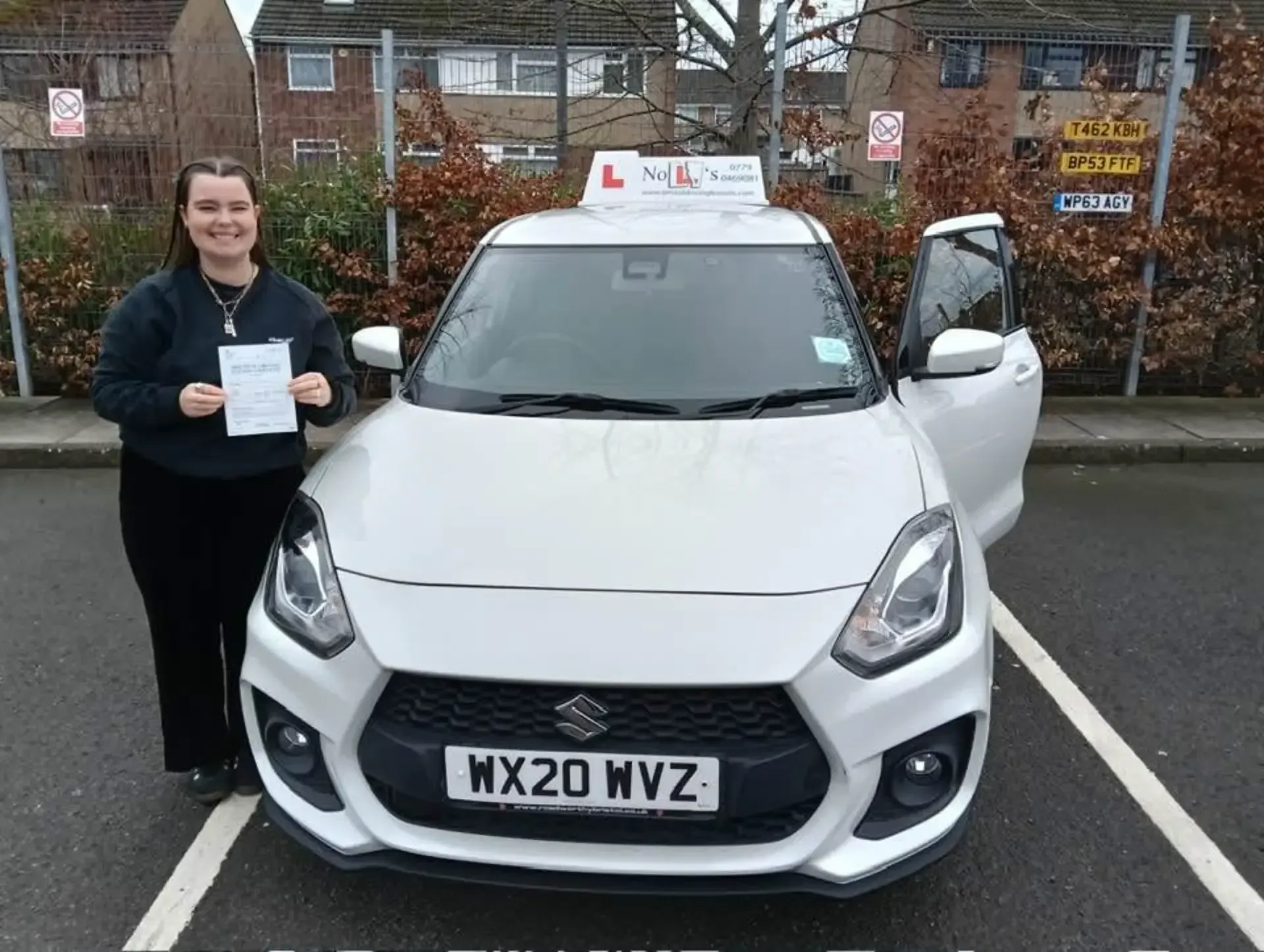
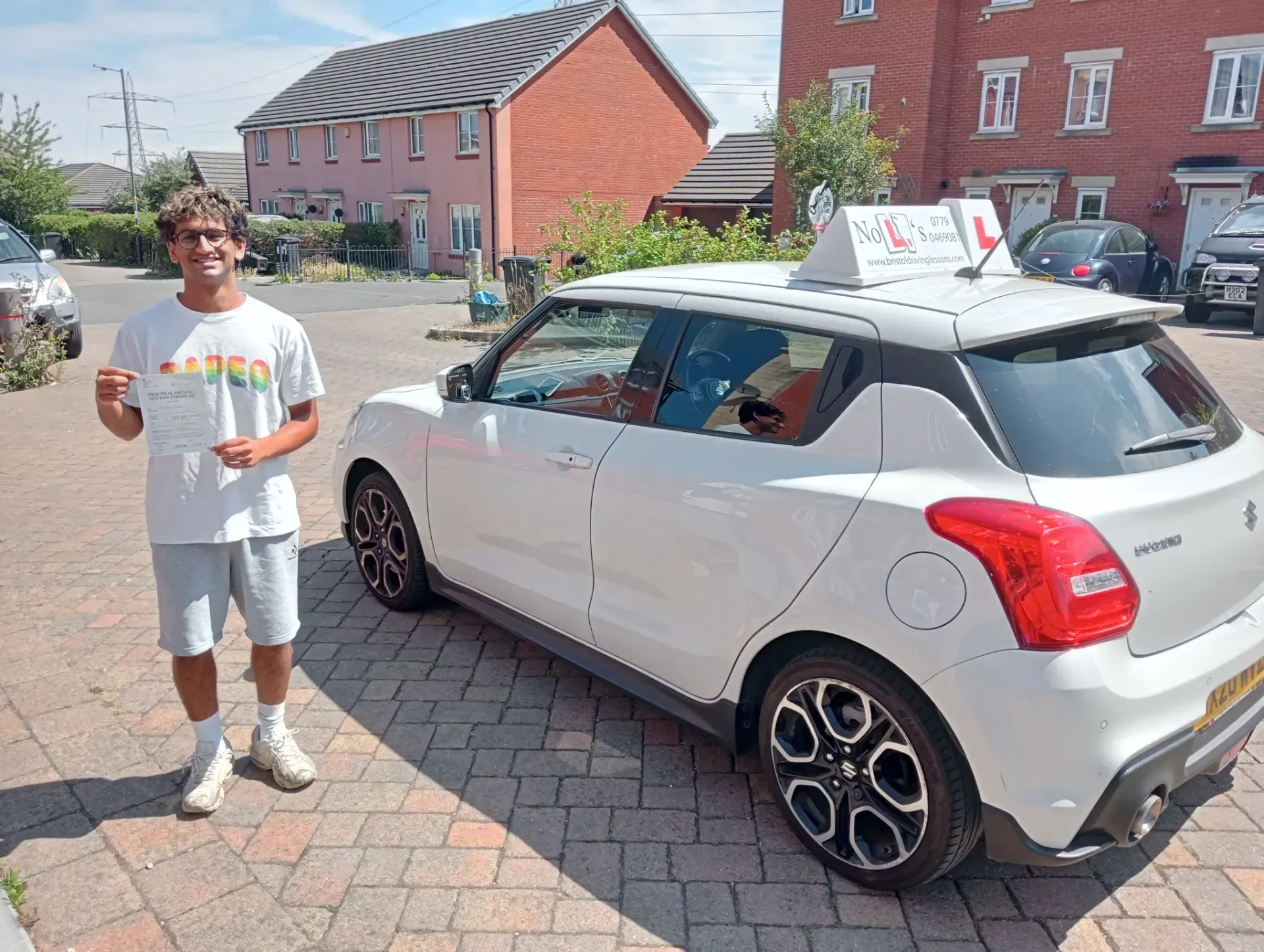
- The Debrief: Regardless of the result, the examiner will give you feedback. If you pass, you’ll get a bright blue certificate! If you don't, they will explain where you went wrong so you can nail it next time.